SEAFDECINSTITUTIONAL REPOSITORY
    • English
    • ไทย
    • 日本語
    • Bahasa Indonesia
    • Bahasa Melayu
    • Burmese
    • Filipino
    • Khmer
    • Lao
    • Tiếng Việt
  • ไทย 
    • English
    • ไทย
    • 日本語
    • Bahasa Indonesia
    • Bahasa Melayu
    • Burmese
    • Filipino
    • Khmer
    • Lao
    • Tiếng Việt
  • เข้าสู่ระบบ
ดูรายการ 
  •   SIR บ้าน
  • 01 SEAFDEC Publications
  • 01 Policy Framework and Guidelines/ Codes
  • Regional Guidelines
  • Important Findings and Recommendations on Chemical Use in Aquaculture in Southeast Asia
  • ดูรายการ
  •   SIR บ้าน
  • 01 SEAFDEC Publications
  • 01 Policy Framework and Guidelines/ Codes
  • Regional Guidelines
  • Important Findings and Recommendations on Chemical Use in Aquaculture in Southeast Asia
  • ดูรายการ
JavaScript is disabled for your browser. Some features of this site may not work without it.

Melamine

Thumbnail
ดู/เปิด
5879-ColosoRM2015.pdf (620.4Kb)
วันที่
2015
ผู้เขียน
Coloso, Relicardo M.
Page views
579
เมตาดาต้า
แสดงระเบียนรายการเต็ม

Share 
 
Description
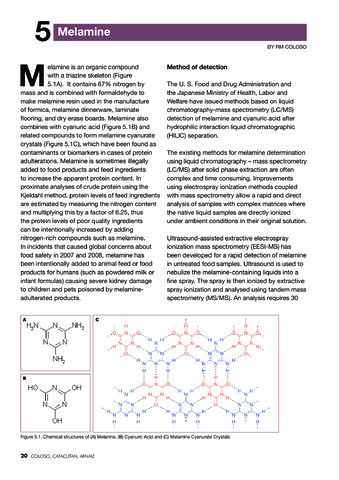
Melamine is an adulterant that can be added to feed ingredients for aquafeeds to artificially inflate the apparent protein content. Together with cyanuric acid, it has been found that crystals formed from melamine and cyanuric acid can cause kidney damage in mammals, fish, and shrimp. If in doubt of the source and quality of feed ingredients and aquafeeds, samples should be submitted for melamine and cyanuric acid analysis. Their presence in feed ingredients and aquafeeds are biomarkers for contamination, adulteration or intentional addition to increasing crude protein levels. The United Nations’ Codex Alimentarius Commission has set the maximum amount of 1 mg/kg melamine in powdered infant formula and 2.5 mg/kg in other foods and animal feed. While not legally binding, the recommended levels can serve as a basis for banning the importation of products with excessive levels of melamine.
URI
http://hdl.handle.net/10862/5879
การอ้างอิง
Coloso, R. M. (2015). Melamine. In Important Findings and Recommendations on Chemical Use in Aquaculture in Southeast Asia (pp. 20–21). Aquaculture Department, Southeast Asian Fisheries Development Center.
เรื่อง
chemical composition ASFA; detection ASFA; toxicity ASFA; Biomarkers; Feed adulteration; Food adulteration; Contamination
คอลเลกชัน
  • Important Findings and Recommendations on Chemical Use in Aquaculture in Southeast Asia [7]

© SEAFDEC 2025
ติดต่อเรา


หมวด

ทั้งหมดของ SIRชุมชนและคอลเล็กชันตามวันที่ออกผู้เขียนชื่อเรื่องอาสาสมัครคอลเลกชันนี้ตามวันที่ออกผู้เขียนชื่อเรื่องอาสาสมัคร

บัญชีของฉัน

เข้าสู่ระบบ
Related Links
SEAFDEC/TD IRSEAFDEC/AQD IRSEAFDEC/MFRDMD IRSEAFDEC/IFRDMD IR

© SEAFDEC 2025
ติดต่อเรา